





Nigerian News
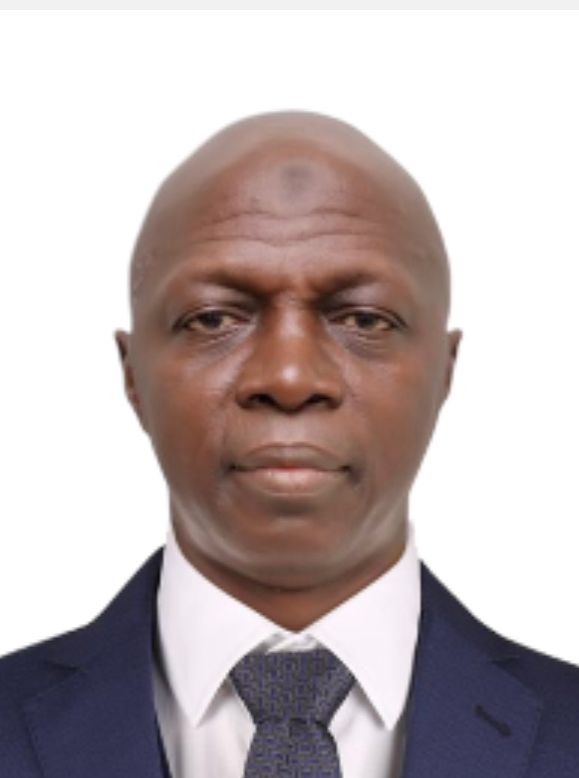
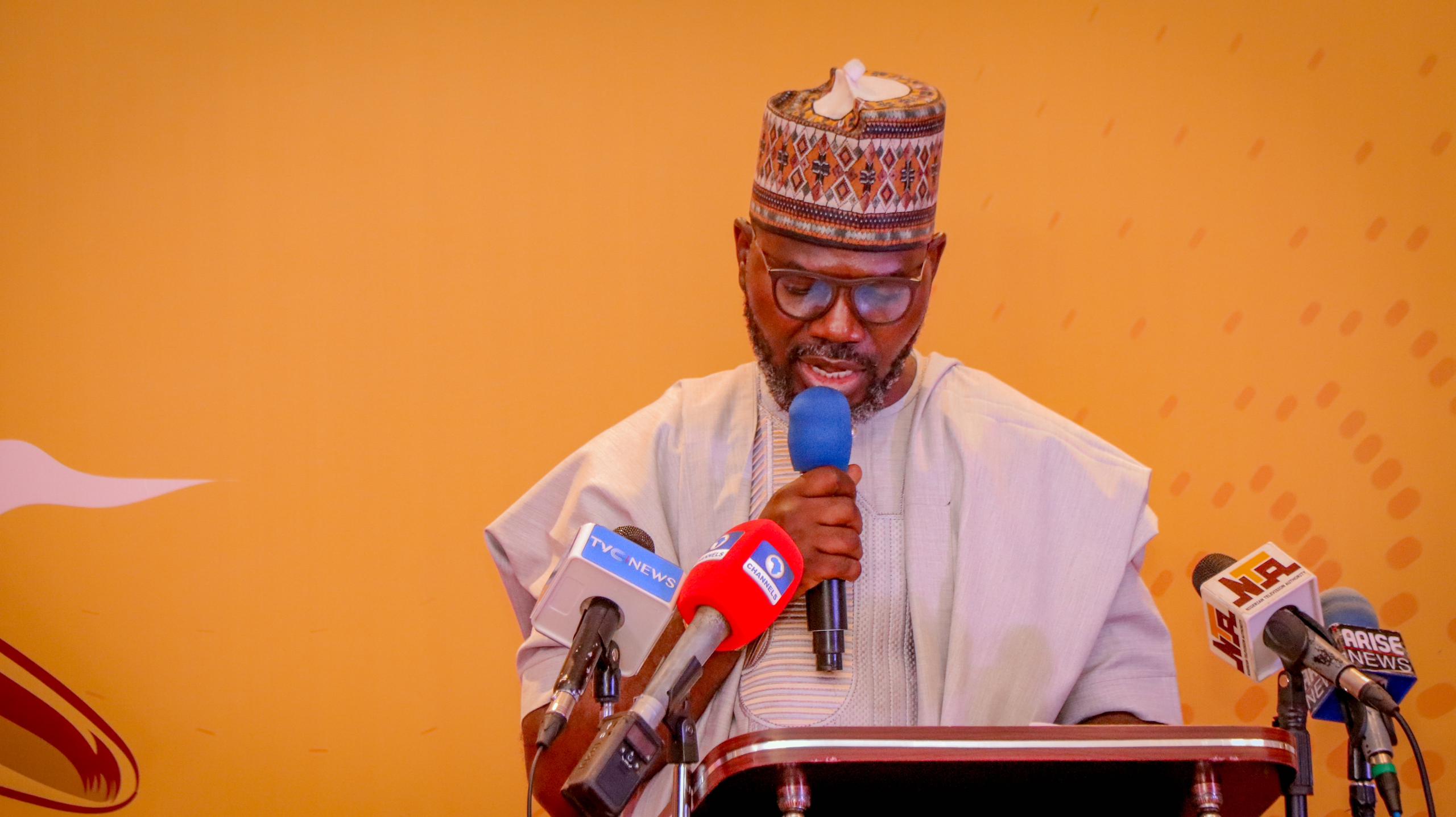
When President Bola Ahmed Tinubu appointed Dr. Adebowale A. Adedokun, FCIPS, ACFE, as Director-General of the Bureau of Public Procurement (BPP) on November 14, 2024, he did not bring in an outsider. He promoted an insider. A pioneer staff of the Bureau and former Director of Research, Training & Strategic Planning, Adedokun had spent over two decades watching where Nigeria’s procurement system leaked. In less than a year, he has set about plugging them. His mandate is clear, and his approach even clearer, move public procurement in Nigeria “from transactional to transformative.” The results, according to BPP’s own reports and independent assessments, are already measurable in trillions of naira. Procurement has long been described as the government’s biggest vulnerability. Under Adedokun, it is becoming its strongest line of defense. BPP data shows over ₦1.1 trillion saved in 2025 alone through price intelligence, tighter processes, and stricter accountability reforms. Cumulatively, the Bureau’s price intelligence unit has saved ₦1.9 trillion from contract inflation, diversion, and fraud. On the average, approximately 40 billion saved annually would have otherwise left government coffers. The pace is accelerating. In just 5 weeks of his tenure, due diligence alone accounted for ₦1.3 billion in savings. Within 6 months, the upgraded Nigeria Open Contracting Portal (NOCOPO) had delivered ₦173 billion in savings. “The BPP has been saving the country from loss on contracts inflation, diversion of public funds and poor service delivery.” If you walked into BPP with a file since March 1st 2026, you would be sent back. “In the last few months, we no longer receive hard copies of requests. It is direct transmission digitally to the Bureau,” the DG said. That single change marks the end of a 20-year paper regime and the start of BPP’s total digital transformation. The roll out Nigeria E-Market, a digital marketplace designed to connect government buyers directly with suppliers and contractors has helped to cut human interference, increase competition, and make pricing visible. It is part of full E-Procurement push aimed at streamlining processes, reducing delays, ensuring due diligence, and opening participation to both local and international firms. To support this, BPP has upgraded its Contractors & Consultants Database. Contractors are now classified by proven competence and can only bid for projects within approved categories, a direct response to the era of unqualified firms winning contracts they could not execute. Adedokun’s reforms are not only digital; enabling the roll out of Seventeen (17) revised Standard Bidding Documents (SBDs) covering goods, works, consultancy, defense, infrastructure, and PPPs. The objective is to remove ambiguity that contractors and MDAs have exploited for years. A National Debarment Policy has now been deployed blacklist erring contractors. A Price Intelligence & Benchmarking System has been established to compare contract costs against market realities. Crucially, BPP has reviewed Service-Wide Prior Review & Monetary Threshold Guidelines to reflect current economic realities and reduce the bottleneck of sending routine approvals to the Federal Executive Council. He has also enforced the Presidential directive on Variations which compels all contract variations to come to BPP for approval, a move designed to curb the fiscal inflation that has swollen project costs. Adedokun has set hard timelines. BPP now operates on a 20-day maximum turnaround for procurement approvals. Under new Service Level Agreements, letters are processed within three days, and reports in fourteen days. He has also introduced a first quarter Procurement Policy mandating all contract award processes to commence and conclude within the first quarter of the fiscal year. The idea is to stop the December rush and give projects a full year to deliver. Beyond savings, the DG is using procurement as a development tool under the Nigeria First Policy, to deliver the Nigeria First, Nigerians first. Ministries, Department and Agencies are now mandated to prioritize Nigerian-made goods and local firms. BPP has signed an MoU with the Standards Organization of Nigeria (SON) to strengthen the application of Nigerian Industrial Standards in federal procurement. On inclusivity, BPP has set an Affirmative Procurement Target of 20% of contracts reserved for women-led and women-owned businesses, youths, PWDs, and SMEs. Building People, Building Systems Reforms fail without capacity. More than 350 procurement officers have been trained under the 2025 Mandatory Continuous Procurement Capacity Development Programme. BPP has also deepened its reach through strategic MoUs with UNDP, AfDB, World Bank, NIQS, EFCC, and ICPC for training, auditing, benchmarking, and monitoring. In the education sector, BPP has launched a University Procurement Framework, complete with guidelines, SBDs, and e-submissions to professionalize procurement in Nigerian universities. Aljazirah Newspaper named him 2025 Person of the Year for ‘Exemplary Public Service Stewardship’, citing structural changes and ethical leadership. He also received the “Public Sector Reformer of the Year” 2025 award and other awards and recognitions not mentioned here. For Dr. Adedokun, the awards are secondary. “Procurement must shift from being a transactional activity to being a strategic development tool,” he has told different stakeholders during engagements and meetings. The verdict so far twenty months into his tenure, Dr. Adedokun has repositioned BPP as more than a clearing house for contracts. It is now a data-driven, digital, and development-focused institution. In a country where procurement was once a pipeline for leakage, the Bureau under a pioneer-turned-reformer is showing that with systems, timelines, and political will, public money can be made to work for the public. As Mr. Sufuyan Ojeifo, a past Media Consultant with the BPP perfectly puts it, “Nigeria doesn’t lack policies, it lacks people who can make them stick. That’s where Dr. Adebowale A. Adedokun comes in.”