

…AMBO Poised to Take Over
Truly, it is better to be looked over than overlooked. Many discerning and thoughtful citizens who have critically reflected on the present administration of Governor Ademola Adeleke in Osun State may have concluded that rather than moving the state from the valley to the mountaintop of its destiny, it is heading in the opposite direction.
As the political tide in the state shifts towards the August 8, 2026 gubernatorial election, there is a growing belief among the populace that Governor Adeleke’s time in office is drawing to a close. Widely seen as a “ceremonial governor,” his administration is increasingly characterized by media fanfare, optics, and family-dominated decision-making—rather than strategic governance, sound economic policies, and grassroots development.
A closer look at the past few years in Osun reveals a mixed legacy. While the Governor’s media team has mastered the art of storytelling, the actual story of Osun’s development tells a far less flattering tale. Among the numerous ministries, only the Ministry of Works—headed by the Governor himself, who doubles as Commissioner—and perhaps one or two others, are alleged to be functioning actively, largely attempting to launder the image of an underperforming administration.
Governor Adeleke, who came into office in 2022 riding on a wave of audiovisual and emotional appeal, is now nearing the end of his tenure. His administration has suffered from a lack of strategic direction, an inability to attract significant investment, and a failure to implement bold reforms—all of which have gradually eroded public confidence.
The government has prioritized visibility over viability—relying heavily on media engagements, flashy announcements, and televised gestures that offer the appearance of action, even when results are lacking. In this administration, press releases often replace strategic policy, and paparazzi coverage substitutes real governance.
While effective communication is vital in governance, it becomes problematic when it replaces accountability, data-driven planning, and tangible policy execution. This administration appears more invested in building a brand than laying the foundational blocks in critical sectors such as the economy, education, healthcare, investment, and job creation.
Moreover, sources close to civil servants and insiders within the government suggest a troubling pattern: that Governor Adeleke is merely the public face of the administration, while the real power resides with his elder brother, Dr. Deji Adeleke, and his sister, Mrs. Dupe Adeleke-Sanni. From political appointments to contract awards and security directives, critical decisions are said to emanate not from the Governor’s office, but from these unelected family members operating behind closed doors.
This situation raises serious concerns about transparency, accountability, and democratic integrity. The people of Osun are politically conscious and increasingly discerning. They can distinguish between performative governance and actual performance. The desire for genuine leadership is growing across the state. In towns and communities, the call for authenticity and action has grown louder and more resolute.
The 2026 election will serve as a referendum—not just on the ruling party, but on a broader leadership style that must prioritize substance over spectacle. Osun voters are poised to usher in a new era, one that values purposeful governance over gimmicks.
Even more troubling are recent allegations of intimidation, including the reported use of the state’s Amotekun Corps and other security outfits to silence dissenting voices and opposition. These developments have sparked widespread concern about the direction of governance and the future of democratic engagement in the state.
Several independent media platforms and online commentators have allegedly been targeted for posting critical content, often under vague accusations of incitement or misinformation. This has created an atmosphere of fear among young people enthusiastic about political discourse. When a government turns its security apparatus on its own people, it ceases to be democratic—it becomes oppressive.
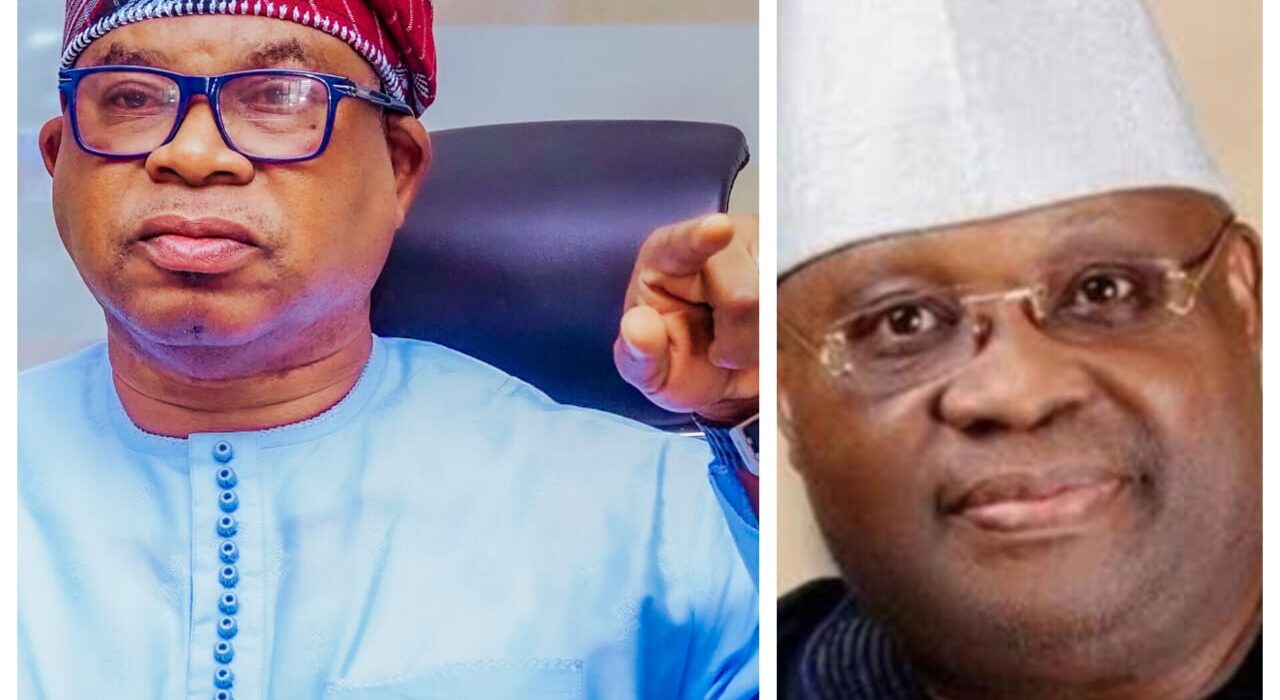
In contrast to the growing dissatisfaction with Governor Adeleke’s leadership, momentum is building behind Asiwaju Munirudeen Bola Oyebamiji (AMBO) of the APC—a seasoned technocrat, administrator, and grassroots leader.
The people of Osun are yearning for a leadership reset, and all eyes are now on Bola Oyebamiji—widely respected for his administrative competence and economic insight—as the most credible challenger to Adeleke’s faltering incumbency.
AMBO’s rising popularity is not just a fleeting political wave—it signals the emergence of a new political order. As a former Commissioner for Finance in Osun State and the current Director-General of a crucial Federal Government agency, NIWA, Oyebamiji is viewed as a leader of integrity, competence, and vision, capable of steering the state toward genuine progress.
His campaign is gaining traction, centered on themes of fiscal responsibility, youth empowerment, industrial rejuvenation, and restoring dignity to governance.
The year 2026 is shaping up to be pivotal. Governor Adeleke’s administration will be forced to defend its record—not through the media or ceremonial displays, but at the grassroots. Promises such as youth empowerment, recruitment of teachers and medical personnel, economic revival, and attracting international investors must be backed by tangible results. Emotional appeal will no longer suffice. The people demand less dancing—and more doing.
Osun deserves more than ceremonial leadership and camera-ready governance. As the people prepare to cast their votes in 2026, one message rings clear across communities: *governance must return to substance over showmanship. And for many, the answer is unmistakable—Asiwaju Munirudeen Bola Oyebamiji (AMBO) represents a genuine opportunity to reset, rebuild, and move Osun forward.
✍️ Prince Abdullahi A. Tadese
Wisdom Prince
From Isalẹ-Ọba Ward 2, Iwo