

The Nigerian Maritime Administration and Safety Agency (NIMASA) has restated its commitment to safeguarding Nigeria’s offshore environment as part of efforts to unlock the full potential of the nation’s Blue Economy.
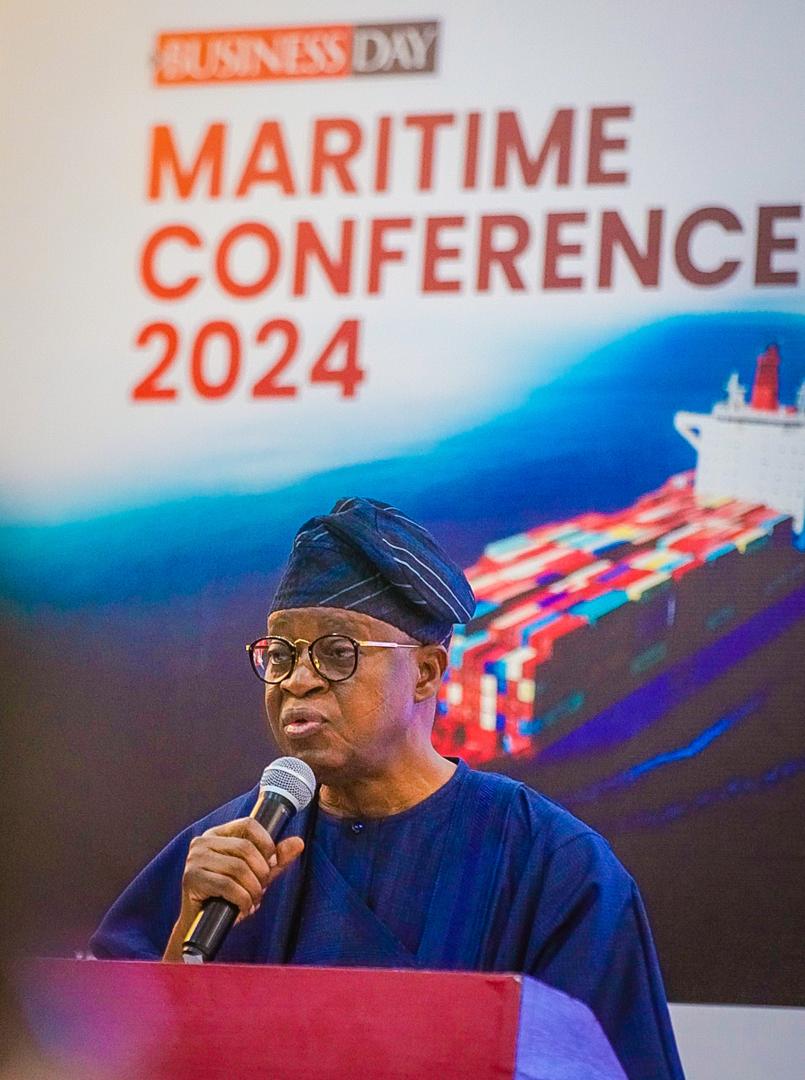
Speaking at a stakeholders’ sensitisation programme on Offshore Waste Reception Facilities in Port Harcourt, the Executive Director of Operations, Engr. Fatai Adeyemi, said the agency remains resolute in ensuring that offshore activities align with global environmental standards. The programme was themed “NIMASA’s Responsibilities and Statutory Obligation to Provide Offshore Waste Reception Facilities.”
Adeyemi noted that Nigeria’s offshore environment is central to powering industries and sustaining livelihoods, but stressed that pollution from offshore operations poses threats to marine ecosystems, navigational safety, and public health.
“The objective of today’s programme is to deepen awareness and strengthen collaboration among stakeholders, operators, regulators, service providers, and community representatives so that offshore waste management meets the highest environmental standards. By doing so, we are protecting our oceans while complying with international best practices and maritime regulations,” Adeyemi said.
On his part, NIMASA’s Director of Marine Environment Management, Dimowo Heaky, described the initiative as a milestone in the agency’s efforts to curb intentional pollution and safeguard ocean health. He pointed out that oily residues, sewage, garbage, and noxious liquids remain major threats to coastal communities and the global climate.
“MARPOL is not just an international convention; it is a pact between humanity and the oceans that sustain us. Our duty is to provide stakeholders with the tools and knowledge to prevent marine pollution at every level,” Heaky added.
Also speaking, the Managing Director/CEO of XPO Marine, Mr. Wellington Agharese concessionaire for the Eastern Region Offshore Waste Reception Facilities underscored the importance of environmental responsibility in Nigeria’s oil and gas operations.
“As concessionaire, this responsibility goes beyond operations; it is a shared commitment to safeguard our waters while enabling sustainable offshore energy development. Collaboration with regulators, IOCs, NOCs, and indigenous operators is key to building an environmentally compliant framework that boosts Nigeria’s competitiveness in the global energy market,” Agharese said.
The event reaffirmed NIMASA’s determination to enforce compliance with the MARPOL Convention, strengthen environmental sustainability in the maritime sector, and position Nigeria as a global model for responsible offshore practices.